It is a two-way evaluation
Before writing a price, a landscaper answers three questions.
The property, its condition and its irrigation.
How decisions, requests and payments flow.
Every unknown gets priced in.
A clear RFP from a community that knows what it wants gets sharp pricing. A vague one gets padded pricing, or no bid from the companies you want most.
What we look at on the site walk
Good estimators walk the property, not just the aerial photo, because the details that drive hours only show up on foot.
Three things an estimator measures
The size of the work.
- Turf area and grass type
- Bed area and how full the beds are
- Curbs and walks to edge
- Shrub and tree counts, color areas
How quickly a crew can do it.
- Open areas for large mowers
- Small islands and narrow strips
- Slopes on ponds and berms
- Fences, signs and gate widths
What needs fixing first.
- Weeds that have taken over beds
- Overgrown shrubs that need a reset
- Thin or diseased turf
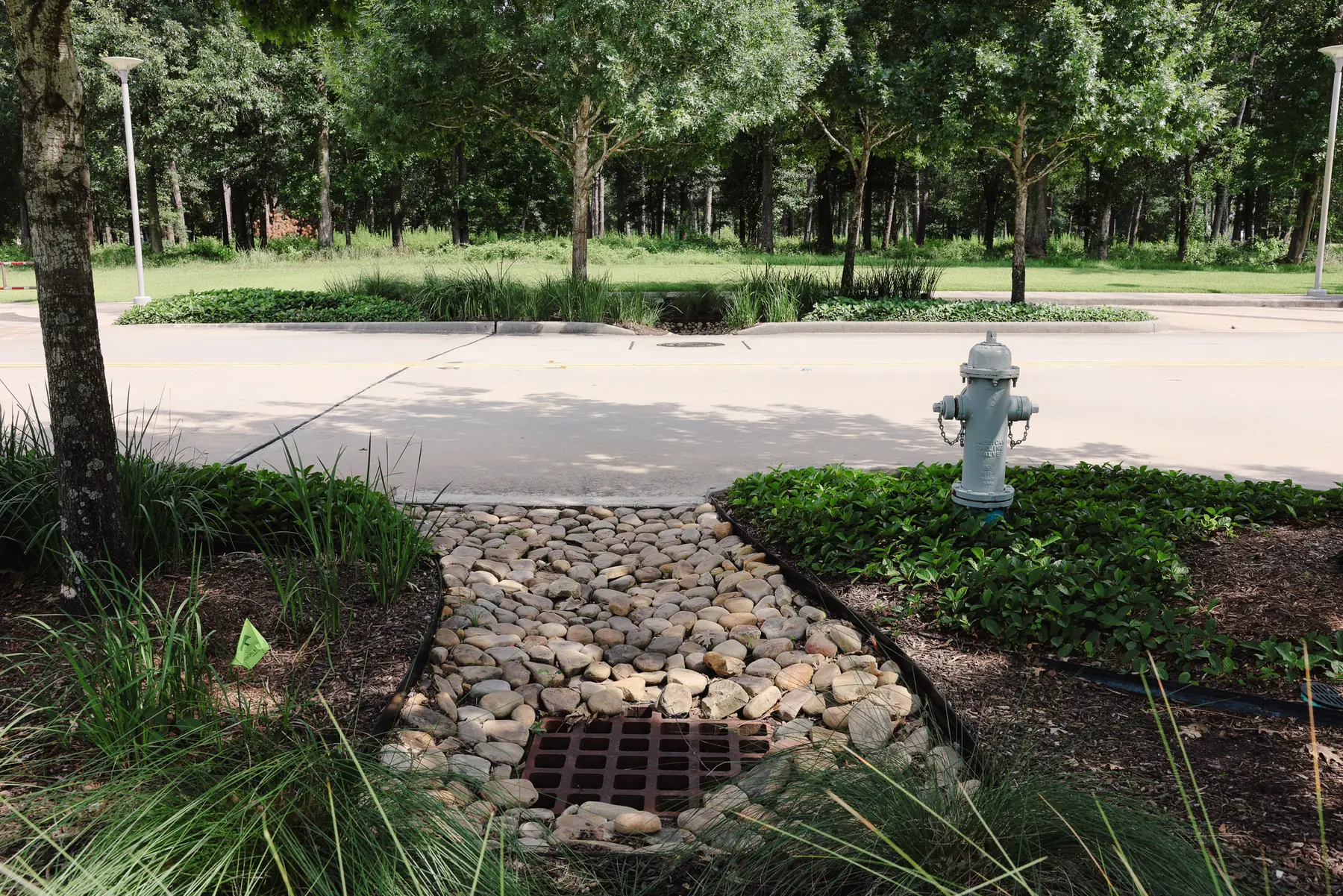
- Drainage problems and standing water
- A property that has slipped may need a reset before routine care can hold it.
- Good bidders say so up front and price it separately.
- Be wary of catch-up work hidden in the monthly number, or skipped.
The irrigation system is the biggest unknown
Estimators can count controllers and zones, but they cannot see underground. An older system with patched lines and no map can eat hours every month.
Irrigation facts to share with bidders
Tick what you can hand every bidder. Each one makes the bids more accurate.
No map? Say so. Honest beats unknown. The HOA irrigation oversight guide covers what boards should track.
Logistics every estimator thinks about
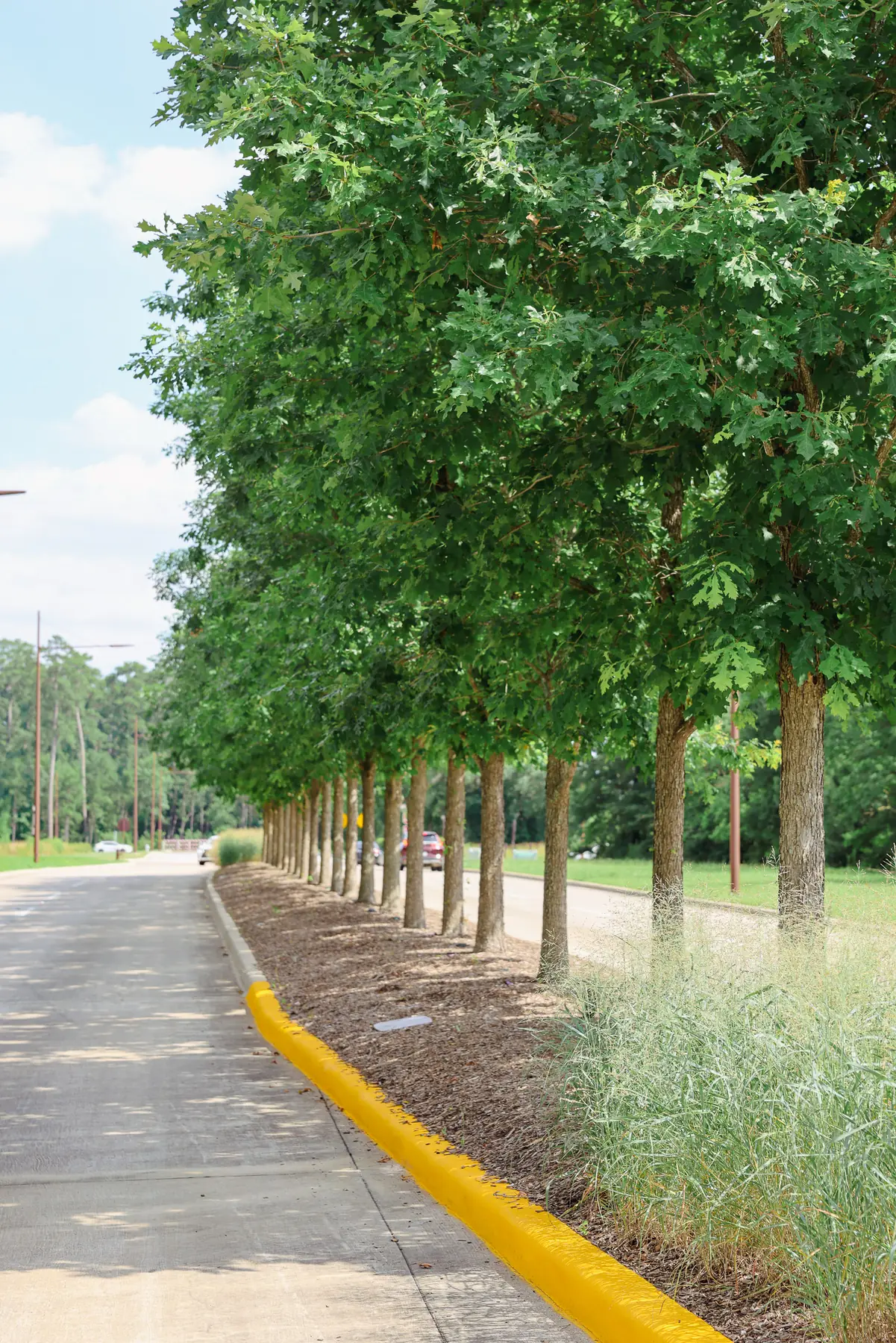
Long strips and curbs add up. Estimators count every foot of edging.
No safe spot near the work means every visit starts with lost time.
School zones, pool hours and noise rules shape when crews can run equipment.
Where clippings and branches go affects both time and cost.
A community near existing crews costs less to serve. A fair reason prices differ.
What we learn about the board and the manager
Landscapers evaluate the client too. A community where requests come from one person and decisions happen on time is simply cheaper to serve.
Bid sharp, or price in risk?
Question 1 of 5
The community has had four landscapers in five years.
Our answer: We ask why. Often expectations were never written down. Either way, it signals time the account will take.
Question 2 of 5
One point of contact, with clear approval limits for small repairs.
Our answer: Fast, clear decisions mean less time managing the account and more time on the property.
Question 3 of 5
The scope says maintain per industry standards.
Our answer: Every bidder will read it differently, and careful ones pad for the gap.
Question 4 of 5
Board members contact the crews directly.
Our answer: Five people directing the crew means scheduled work gets skipped and costs rise.
Question 5 of 5
The manager walks the site with bidders and knows its history.
Our answer: Good information on the walk turns guesses into measured, confident pricing.
Have a question about your own community? Every free quote starts with a walk of the property and a conversation.
What makes an HOA a great client to bid on
The best landscapers choose where to bid. These habits put your community near the top of their list, and usually earn better pricing too.
Great client habits
Before the RFP goes out.
- A written standard and priority zones (Part 2)
- A property map with owners marked
- An irrigation map, or an honest note that there is none
- A pricing form and a clear timeline
While bidders are pricing.
- One site walk with a manager who knows the property
- Written answers shared with every bidder
- Three to five bidders
- A decision date the board keeps
Once the contract starts.
- One point of contact
- Approval limits so small repairs do not wait a month
- Regular walks with written notes
- Invoices paid on the contract schedule
Common questions about how landscapers evaluate HOAs
Why do some landscapers decline to bid on our HOA?
Common reasons are a vague scope, no site walk, a short timeline, a history of frequent vendor changes, or a property far from their existing routes. Asking a company that declined is often the fastest way to learn what to fix.
What does a landscaper measure on an HOA site walk?
Turf and bed area, edging length, shrub and tree counts, color areas, slopes and obstacles, irrigation controllers and zones, and the current condition of the property.
Does the board affect the price of a landscaping bid?
Yes. A clear scope, one point of contact, timely approvals and on-time payment reduce the time a vendor spends managing the account, and that shows up in sharper pricing.
Should we share our irrigation map with bidders?
Yes. Irrigation is the biggest unknown in most HOA bids. Sharing the map, controller count and repair history helps every bidder price accurately.
Final part: what it takes
The last part pulls it together: the skills it takes to do HOA landscaping well, how to spot them, and the board habits that keep a good landscaper delivering for years.
Landscaping for HOA Boards
- 1New to the HOA Board? What You Are Really Overseeing in Landscaping
- 2What Good HOA Landscaping Looks Like: Too Much, Not Enough and Just Right
- 3How HOA Landscaping RFPs Work, and Why the Bids Come Back So Far Apart
- 4Why the Lowest HOA Landscaping Bid Is Often the Riskiest
- 5How Landscapers Size Up an HOA Job Before They Bid(you are here)
- 6What It Takes to Do HOA Landscaping Well, and How Boards Get the Best of It