Plant & Lawn Health

A healthier lawn starts
beneath the surface

Fertilization, weed control, aeration, and dethatching, built for commercial properties.

What We Do

Science-backed programs for grounds that stay healthy all year

Most landscape maintenance programs mow and go. Ours go deeper. Every program we build starts with a soil assessment and ends with a documented schedule that holds your turf and plant material accountable to a standard, not just a calendar.

01

Fertilization programs

Turf that looks good on move-in day and fails by summer isn't a lawn, it's a liability. Our fertilization programs use slow-release, professional-grade formulations that feed your turf over 8-12 weeks instead of delivering a single flush of growth that stresses the plant and burns off in weeks.

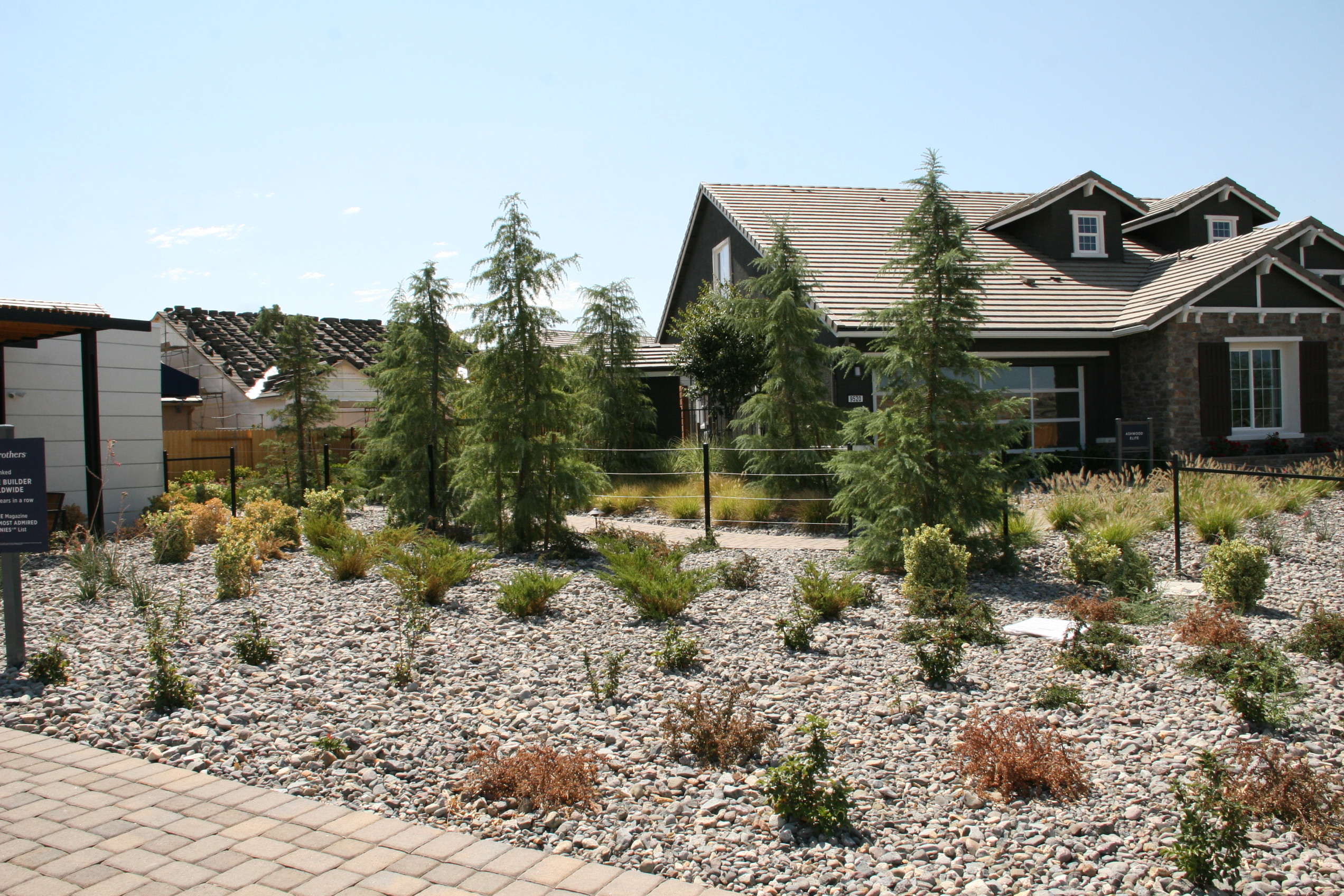
We calibrate every application to your soil type, turf species, and seasonal conditions. Houston-area properties running warm-season grasses like Bermuda and St. Augustine operate on a different program than Nevada properties running tall fescue in alkaline soils. We treat them differently because they are different.
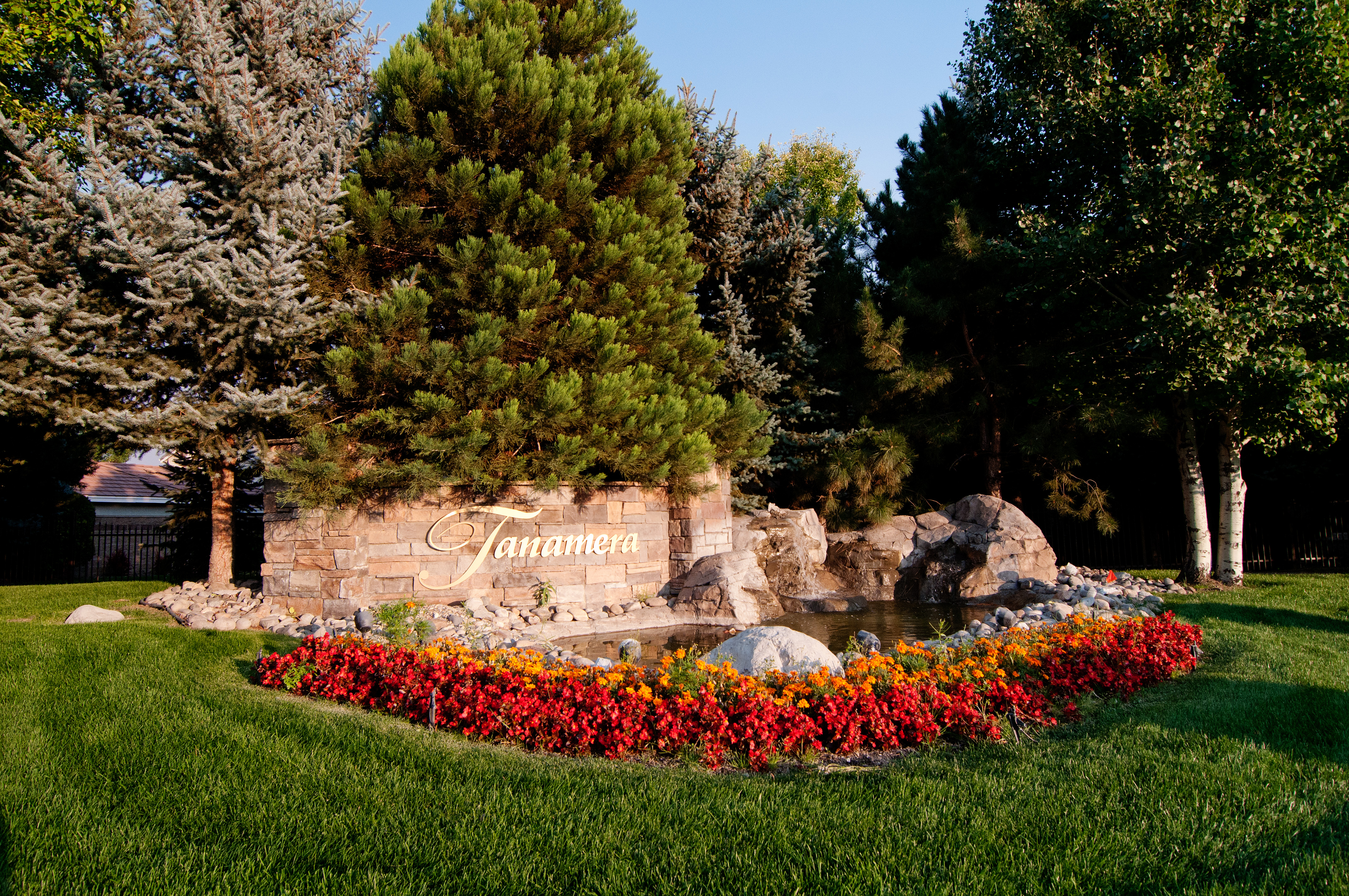
Slow-release nitrogen
Polymer-coated urea and IBDU formulations that release nutrients over 8-12 weeks, no flush growth, no burn risk.
Soil-calibrated programs
We test pH, organic matter, and nutrient levels before building your program, not after problems appear.
Seasonal rotation
Spring green-up, summer maintenance, fall prep, and winter protection formulations applied at the right time.
Full documentation
Every application logged with product, rate, and weather conditions, available in your account portal.
Fertilization program
Slow-release formulas
8-12 week feed cycle
02, Weed Management

Stop weeds before they start

A healthy dense turf is the best long-term weed suppression tool, but a well-timed chemical program holds the line until you get there. We use a two-phase approach built around your specific weed species, turf type, and local conditions.
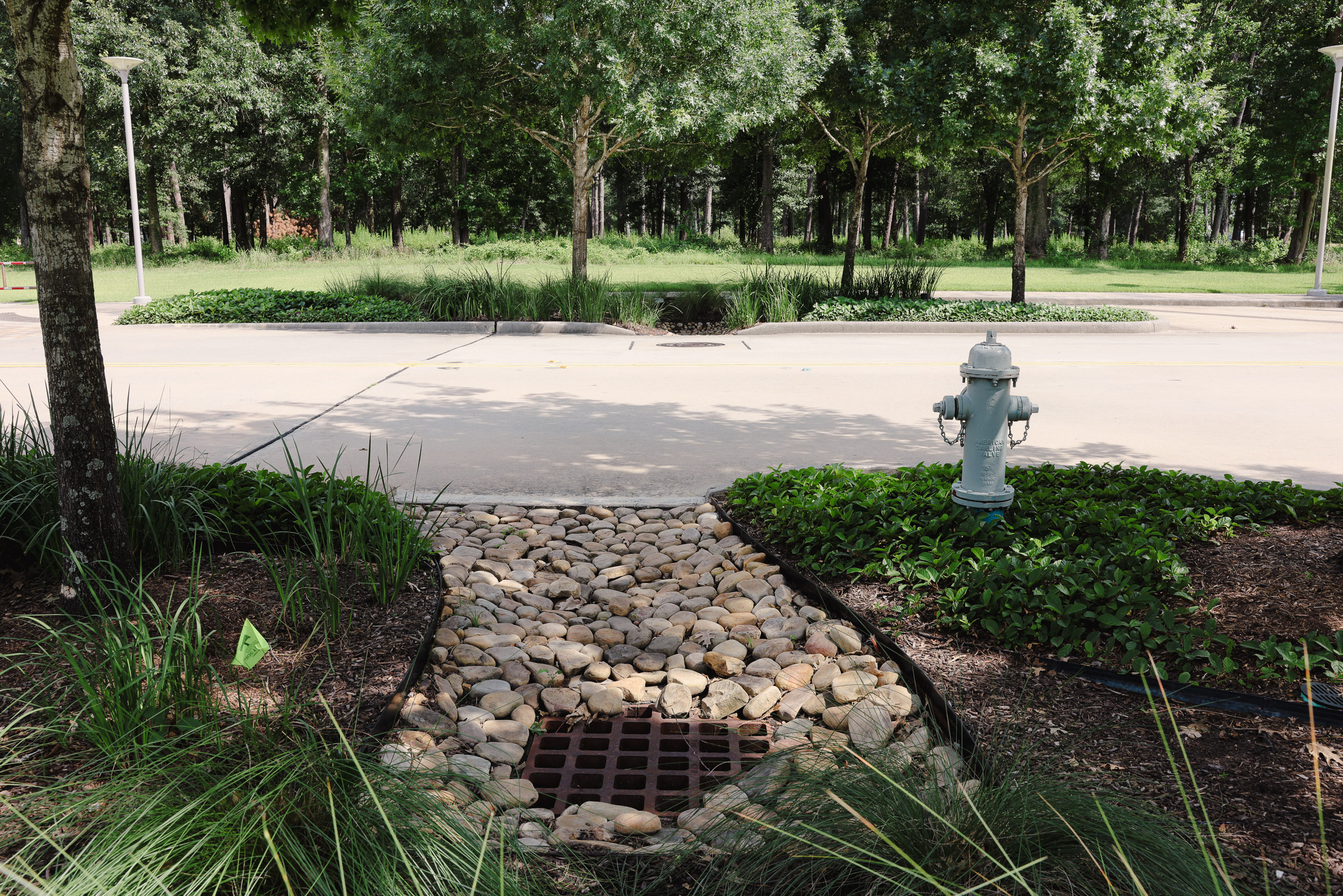
Phase 1
Pre-emergent
Applied before soil temps trigger germination, stops seeds before they sprout. We monitor soil temps, not calendars.
Phase 2
Post-emergent
Selective herbicides spot-applied to target broadleaf and grassy invaders without harming surrounding turf.
Weed management
85%
of weed pressure eliminated with a properly timed pre-emergent program, before a single weed is visible
03, Core Aeration

Open the soil. Let the roots breathe.

Compacted soil blocks the oxygen, water, and nutrients your turf needs to stay dense and green. Core aeration, pulling actual plugs from the soil profile, is the most effective way to restore that access. It's meaningfully different from spike aeration, which compacts further by pushing soil aside.
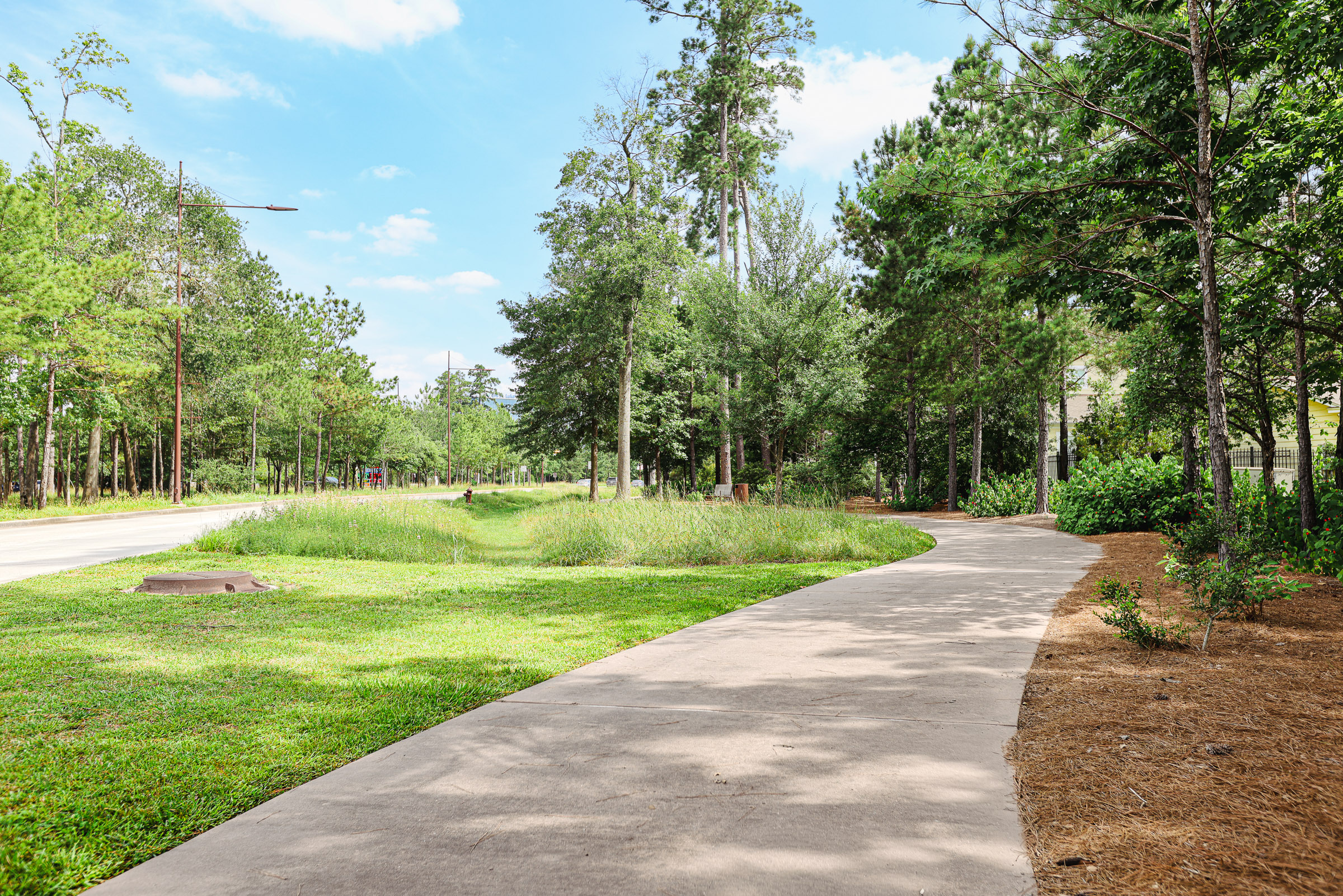
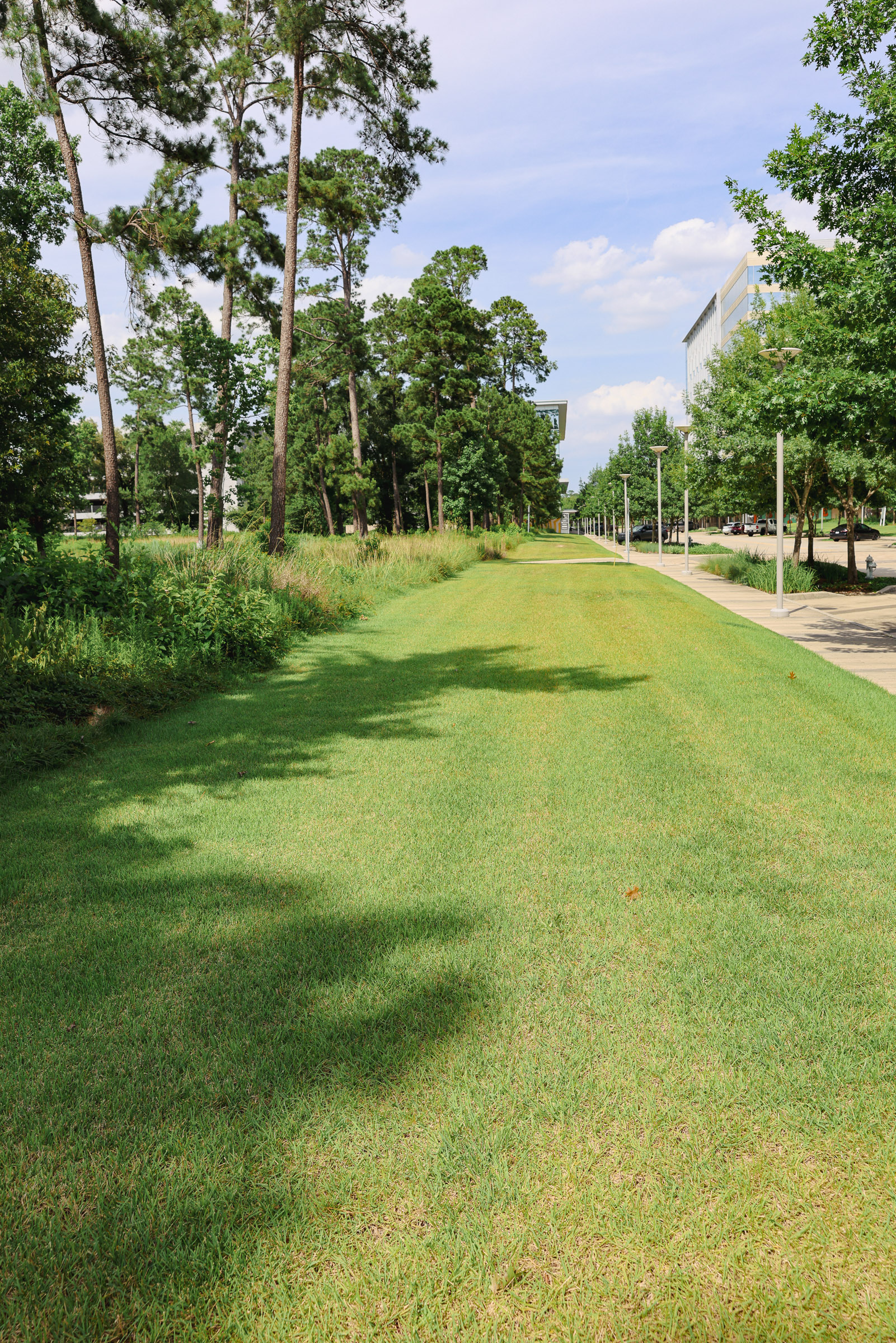
Aeration
Core plug extraction
2-3 inch cores removed on 3-inch spacing, opens channels for water, oxygen, and nutrients to reach the root zone directly.
Paired with overseeding
Aeration creates ideal seed-to-soil contact. We often combine both services for maximum turf density and recovery speed.
Timed for your turf
Warm-season grasses in late spring. Cool-season grasses in early fall. We schedule around your turf's active growth cycle, not a generic date.
Dethatching
The threshold
Over 1/2 inch of thatch actively blocks water, fertilizer, and oxygen from reaching your roots
04, Dethatching

Remove the barrier. Make everything else work.

Thatch is the layer of dead stems, roots, and organic matter that builds between the soil and your living turf. A thin layer is beneficial. When it exceeds half an inch, it becomes a barrier, blocking water, preventing fertilizer uptake, and creating habitat for disease and insects. Dethatching removes it mechanically, so every other input you're investing in can actually do its job.

1
Vertical mowing
Rotating vertical blades slice through the thatch layer and lift debris to the surface, aggressive and effective for heavy buildup on commercial properties.
2
Recovery program included
Dethatching stresses the turf. We always pair it with a fertilization and irrigation plan to accelerate recovery and prevent setback from the process.
3
Foundation for everything else
Fertilizer, water, and overseeding all work significantly better on dethatched turf. This is the step that makes your other investments more effective.
How It Works

From assessment to
a healthier property

01
Site Assessment
We walk the property, assess turf species, soil conditions, and identify existing weed or thatch pressure before recommending any program.
02
Program Design
A written program is built around your property, not a template. Fertilization timing, weed control phases, and cultural practices all specified in advance.
03
Documented Execution
Every application logged with product, rate, weather conditions, and applicator credentials. Full records available in your account portal.
04
Ongoing Adjustment
Programs are reviewed quarterly. If turf response or weather conditions change, we adjust, and we tell you why.
Ready to Get Started?

Get a plant & lawn
health assessment

We'll assess your property, identify what's limiting turf health, and put together a program built for your conditions, not a generic schedule.

Request an Assessment
No commitment - Response within 24 hours