What an RFP is really for
When an RFP is vague, each landscaper fills in the blanks with their own guesses. Then the board is not comparing prices. It is comparing five different guesses about what the community wants.
An RFP has one real job: make every bidder price the same work, so the board can compare fairly.
The RFP process in four stages
From scope to award
Plan on six to eight weeks. Tap each stage.
Decide what you are buying before anyone bids.
- Agree on the standard (Part 2)
- Write the scope: tasks, visits, mulch and color counts
- Mark every area and priority zone on a map
- Create one pricing form for everyone
Three to five companies that already care for properties like yours.
- Hold one site walk for all bidders, with the manager
- Bidders who skip the walk are guessing
Answer questions in writing.
- Send every answer to every bidder
- Nobody prices from different information
Compare on the same scope, then meet the people.
- Compare total yearly cost, not the monthly number
- Meet the account manager who will run your property
- Call references at similar communities
For scope language and sample sections, see the commercial landscaping RFP guide and the RFP builder.
What happens on the bidder side
A good landscaper does not plug in a price per acre. The estimate is built in three steps.
Turf and bed area, edging length, shrubs, trees, irrigation zones and controllers.
Then add materials, equipment, travel, supervision and overhead.
Anything unclear gets padded with hours, or excluded and billed later.
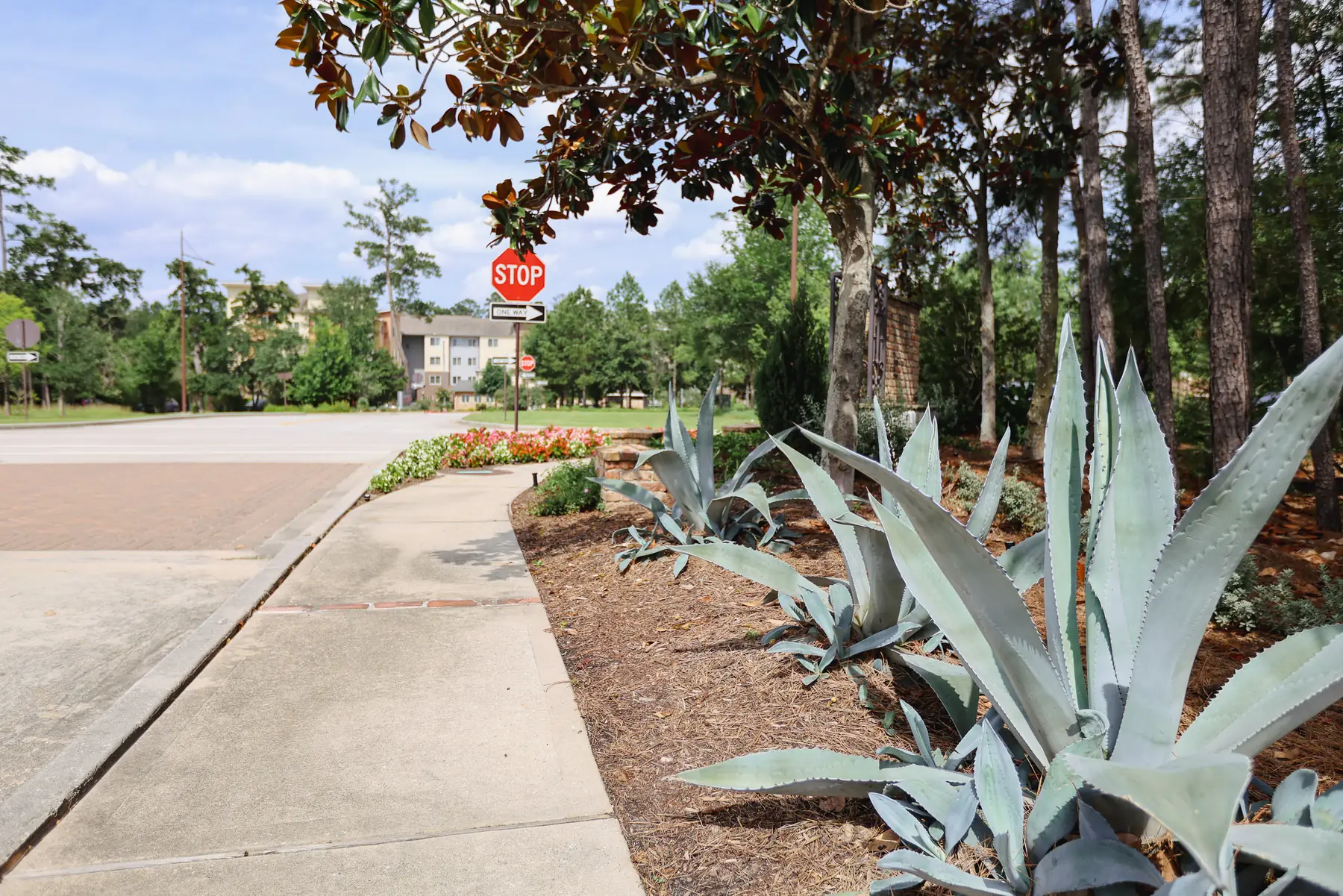
- A flat, open field mows fast with a big mower.
- Islands, slopes, fences and tight gates mow slow with a small one.
- Same acres, completely different job. That is why hours matter more than size.
Seven reasons bids come back far apart
Why the numbers differ
Check your RFP instincts
Question 1 of 3
Bids for your community came back far apart. What should the board look at first?
Our answer: Most of the time, a wide spread means bidders priced different things. Put them on the same scope before talking price.
Question 2 of 3
Should you share your current contract price with bidders?
Our answer: The old number anchors bids to a price instead of to the work. The scope and map get you honest numbers.
Question 3 of 3
How many landscapers should you invite?
Our answer: More bidders add paperwork, not information. Pick companies that already care for properties like yours.
Have a question about your own community? Every free quote starts with a walk of the property and a conversation.
How to get bids you can compare
Before your RFP goes out
Tick what your RFP already has.
When proposals come in, the bid leveling guide and the bid comparison guide show how to put them side by side.
Timing an RFP in Houston
Walk the property with bidders when beds and turf are easy to see.
For a January start. That leaves time for the budget and the spring startup.
Give bidders two weeks after the site walk to price properly.
Not right after a freeze or a storm.
That is when the property needs the most care, and a new crew is still learning it.
Common questions about HOA landscaping RFPs
How many landscapers should an HOA invite to bid?
Three to five qualified companies that already maintain properties like yours. More bidders add paperwork without adding much information.
Why are HOA landscaping bids so different for the same property?
Usually because bidders priced different work, measured differently, or moved costs between the monthly price and extra work rates. A clear scope, a map and a single pricing form narrow the spread.
Should the HOA require a site walk?
Yes. A required site walk makes sure every bidder sees the same property and conditions. Bids from companies that did not walk the site are guesses.
When should a Houston HOA send out its landscaping RFP?
For a January start, late summer or early fall. That leaves time for a site walk, written questions, leveling, interviews and a proper transition.
Next: the lowest bid
Even with a clean process, one bid sometimes comes in far below the others. It is tempting, and often the riskiest choice on the table. Part 4 explains why.
Landscaping for HOA Boards
- 1New to the HOA Board? What You Are Really Overseeing in Landscaping
- 2What Good HOA Landscaping Looks Like: Too Much, Not Enough and Just Right
- 3How HOA Landscaping RFPs Work, and Why the Bids Come Back So Far Apart(you are here)
- 4Why the Lowest HOA Landscaping Bid Is Often the Riskiest
- 5How Landscapers Size Up an HOA Job Before They Bid
- 6What It Takes to Do HOA Landscaping Well, and How Boards Get the Best of It