Why expectations drift
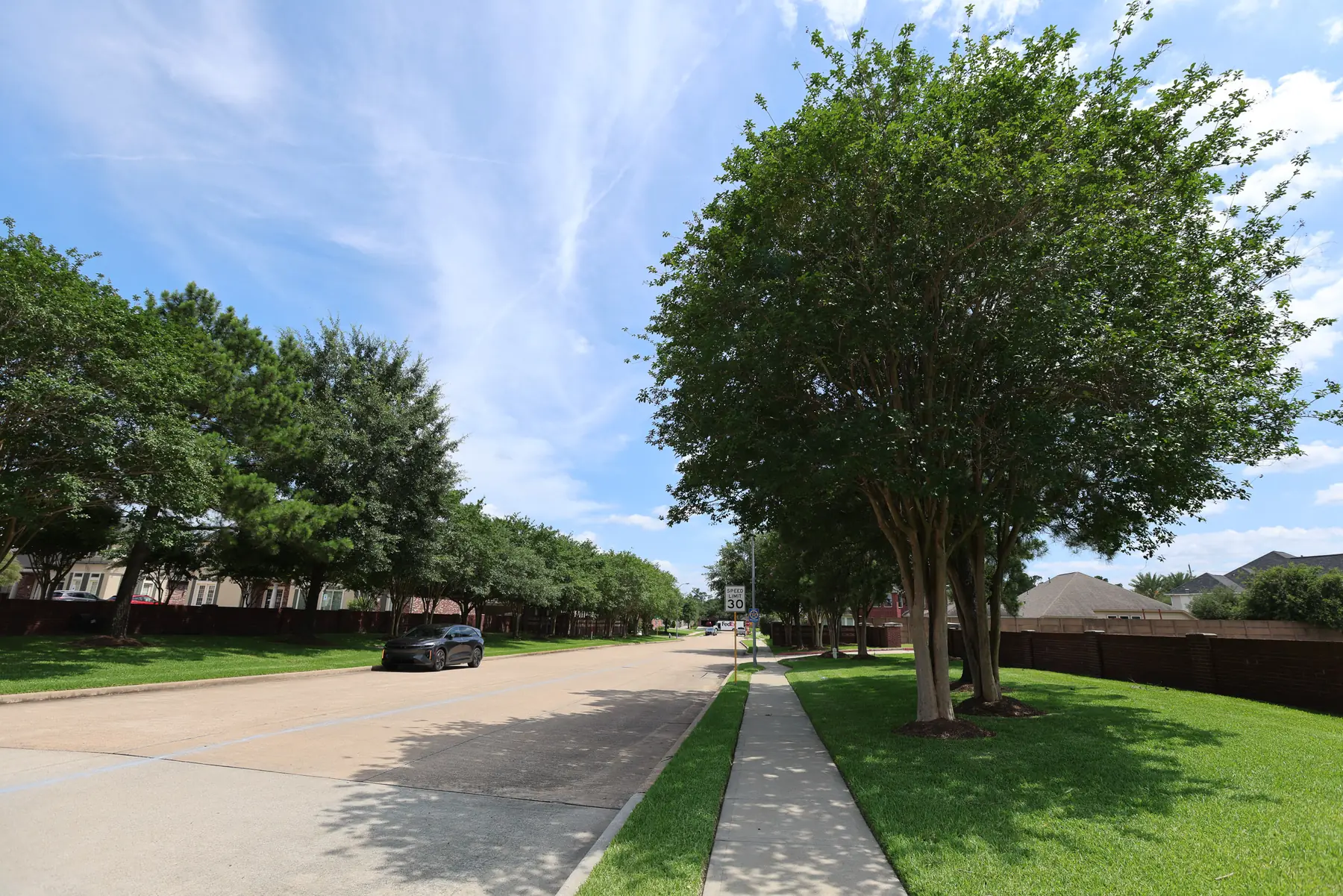
Most HOA landscape disputes are not about good or bad work. They are about different pictures in different heads. The board remembers the week after spring color. A resident sees the one corner that floods. The crew sees the contract.
Write down what good looks like, area by area and season by season. Then judge against that, not the best week you remember.
What a normal visit should deliver
Some work happens every visit. Some happens on a rotation or a schedule. Knowing which is which keeps you from judging a Tuesday by an end of month standard.
Mow, edge, trim, blow walks and curbs, pick up litter.
Shrub pruning, bed weeding and detail work, one section at a time.
Mulch, seasonal color, weed control and freeze prep.
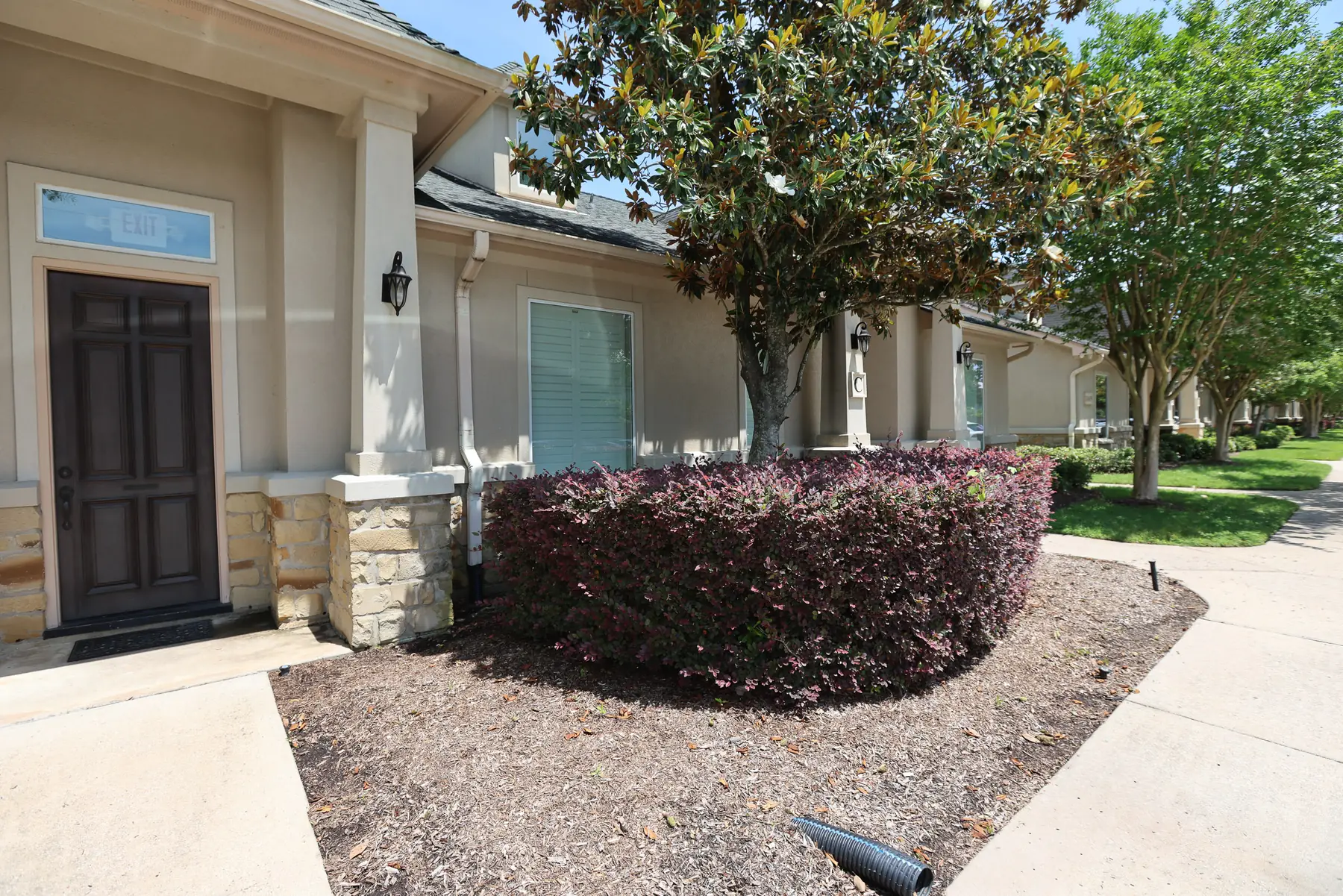
- The fair test: walk the property the day after a visit.
- Every visit items should be done everywhere.
- Rotation items should be done in the section that was due. Ask for the rotation map.
Need a scope written this way? See the HOA landscape maintenance scope guide.
Signs a community is getting too little
Under-serviced properties do not fall apart in a week. They slide. These are the signs we look for.
What it usually means
Signs of too much, which is a real thing
More is not always better. A lot of landscape damage comes from good intentions, and hours spent on the wrong work are hours taken from what residents notice.
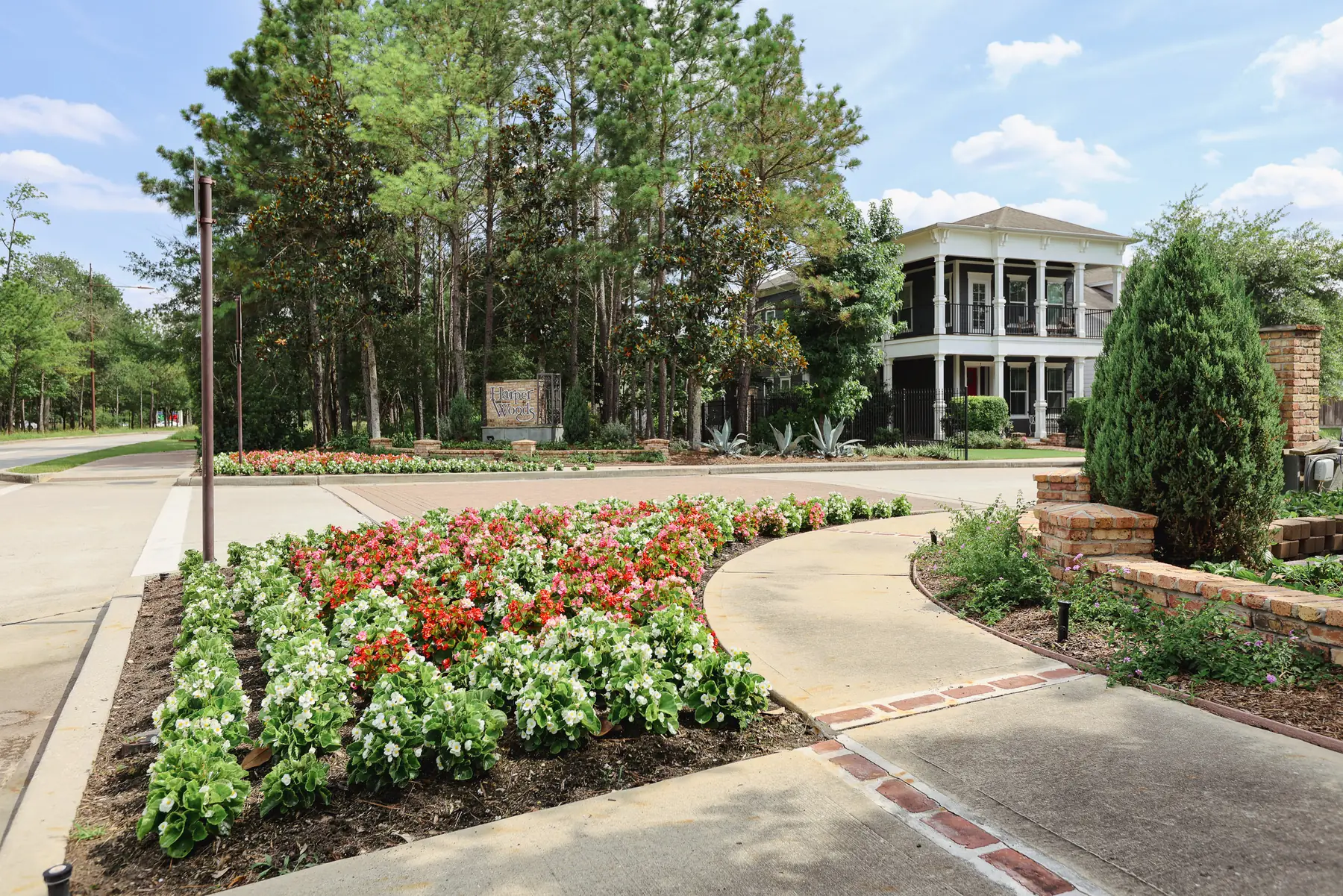
Seasonal color works hardest where people gather, like entrances and amenity areas.
Too much, or just right?
Question 1 of 5
Watering St. Augustine a little every day in spring.
Our answer: Turf that stays wet invites large patch fungus and shallow roots that fail in July. Deeper, less frequent watering is healthier.
Question 2 of 5
Mowing St. Augustine short so it lasts longer between visits.
Our answer: Scalped turf looks tidy for a day, then thins and lets weeds in. St. Augustine wants to be mowed tall.
Question 3 of 5
Seasonal color at the entrances and amenity center.
Our answer: Color earns its money where people gather. Spread across the whole community, it disappears and costs a lot.
Question 4 of 5
Shearing every shrub into a tight ball every few weeks.
Our answer: Tight shearing makes shrubs woody and thin inside, with fewer flowers. Natural pruning on a rotation is healthier.
Question 5 of 5
A fresh layer of mulch piled up against tree trunks every year.
Our answer: Mulch against trunks traps moisture and invites rot. Keep it pulled back and only top up what has broken down.
Have a question about your own community? Every free quote starts with a walk of the property and a conversation.
Houston seasons change what good looks like
Normal, or worth a question?
Tap a season to see what is normal and what is worth asking your landscaper about.
Every other week visits and perennials cut back are expected.
- Worth a question: brown rings or patches that spread (often large patch)
- Worth a question: irrigation running every day
Mulch and color going in, weekly mowing starting.
- Worth a question: weeds going to seed
- Worth a question: dead zones after the irrigation startup
Watering gets tighter when the city restricts it.
- Worth a question: straw colored patches spreading near curbs (often chinch bugs)
- Worth a question: water running into the street
Fall color goes in and leaves start to drop.
- Worth a question: storm debris still there weeks later
- Worth a question: no proposals for next year yet
One late visit after heavy rain is normal, since mowing wet turf ruts it. A pattern of missed visits is not. During city drought stages, some summer stress is the cost of following the rules. See the HOA water restrictions guide.
Not every area is equal
The smartest boards set different standards for different areas. That is not lowering the bar. It is putting hours where the community sees them.
Entrances, monuments, the amenity center and main drive. Highest detail, color and mulch.
Parks, trails near homes, pool grounds and mail kiosks. Clean, safe and consistent.
Perimeter strips, back greenbelts, ponds and drainage. Mowed, safe and never overgrown.
Mark these zones on your property map. Expectations get clearer, and bids get easier to compare because everyone prices the same standard.
Put the standard in writing
Your community standard
Tick off what your community already has. The gaps are your to do list.
Common questions about HOA landscaping expectations
Why does our St. Augustine turn brown in winter?
St. Augustine goes dormant and turns tan after cold weather in Houston. That is normal. Irregular brown rings or patches that spread are worth a closer look, since large patch fungus is common in the cooler months.
Should every area of the community get the same level of care?
Usually not. Most communities get the best result with a higher standard at entrances and amenities and a clean, safe standard in background areas like ponds and perimeter strips.
Is it normal for a landscape visit to be skipped after heavy rain?
Crews often wait for turf to dry so mowers do not rut the lawn, then catch up. An occasional weather delay is normal. Repeated missed visits are not.
How should the board handle residents who want more?
Point back to the written standard. If enough residents want more in an area, the board can move hours there or fund it, rather than having the crew chase individual requests.
Next: how RFPs work
Once you know the standard you want, the next step is buying it. Part 3 explains how landscaping RFPs work, and why bids for the same community come back far apart.
Landscaping for HOA Boards
- 1New to the HOA Board? What You Are Really Overseeing in Landscaping
- 2What Good HOA Landscaping Looks Like: Too Much, Not Enough and Just Right(you are here)
- 3How HOA Landscaping RFPs Work, and Why the Bids Come Back So Far Apart
- 4Why the Lowest HOA Landscaping Bid Is Often the Riskiest
- 5How Landscapers Size Up an HOA Job Before They Bid
- 6What It Takes to Do HOA Landscaping Well, and How Boards Get the Best of It